Many business owners reach out asking for ‘just a quick logo,’ only to run into trouble three months later when they try to design a website, print a brochure, or launch product packaging—and nothing looks like it belongs to the same company. Understanding the difference between a standalone logo and a full
brand identity system saves money as your business scales.
1. What You Get With Logo Design
A professional logo is built to work at every size—from a 16-pixel browser favicon to a 4-meter storefront sign. Proper deliverables include vector master files (AI, EPS, SVG), transparent PNGs, horizontal and stacked lockups, and single-color versions for embossing or stamp printing.
2. What a Complete Brand Identity Adds
A brand identity turns that logo into an everyday toolkit your staff, printers, and web developers can follow without guessing:
- Bilingual Typography Rules: Pairing Thai and Latin typefaces that share the same visual weight and personality.
- Exact Color Specifications: Verified Pantone, CMYK (for print), and HEX/RGB (for screens) values so your brand blue never turns purple on a brochure.
- Real-World Applications: Business cards, email signatures, presentation decks, social templates, and packaging grids.
- Brand Guidelines Document: A clear rulebook showing correct logo spacing, do’s and don’ts, and visual tone.
3. Which Option Fits Your Stage?
If you are validating a new venture, start with a well-crafted logo and core color/font rules. If you are launching a retail product line, opening a hospitality venue, or unifying inconsistent marketing materials, invest in a full identity system (starting from THB 40,000 at ChaChing Group). Explore our
branding and identity services or
send us a short project brief to get started.
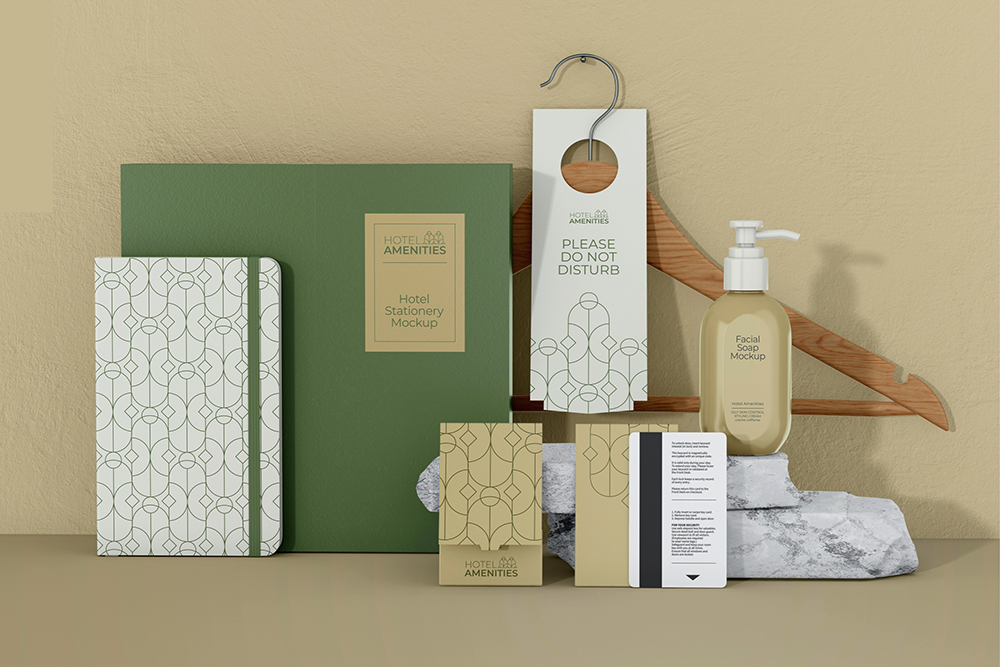
Guests rarely judge a hotel by its logo alone. They judge it by the tactile details they hold in their hands—the weight of the key card sleeve at check-in, the clarity of the in-room dining menu, and how effortlessly signage guides them to the pool or restaurant. Having partnered with hospitality leaders like Marriott International, Hyatt, and Siam Kempinski, our
branding and identity studio in Thailand uses a structured checklist to keep every piece aligned.
1. Front-of-House & Arrival Touchpoints
- Key Card Holders & Sleeves: Includes Wi-Fi instructions, breakfast hours, and emergency contacts without cluttering the cover.
- Welcome Folders & Stationery: Letterheads, envelopes, luggage tags, and VIP welcome cards printed on matching paper stocks.
- Wayfinding & Property Signage: Clear bilingual directional signs that match your interior architecture.
2. In-Room & F&B Printed Collateral
- Room Directories & Door Hangers: Durable, wipe-clean finishes designed for daily housekeeping turnover.
- Restaurant, Bar & Spa Menus: Easy-to-update layouts with balanced Thai and English typography.
- Amenity Packaging & Retail Bags: Custom-branded boxes, soap wraps, and boutique shopping bags that extend your brand beyond checkout.
3. Why One Team Beats Splitting Design and Print
When one agency handles your brand guidelines and another prepares print files, colors shift across different paper textures and foil finishes. Keeping brand identity,
graphic and print design, and your
hotel website under one roof guarantees consistent Pantone matching and press-ready files. Planning a hotel launch or refresh?
Contact ChaChing Group to discuss your scope (identity projects start from THB 40,000).
If you ask three agencies in Bangkok for a website quote, you might get prices ranging from THB 15,000 to THB 400,000. Why is the gap so wide? Because ‘a website’ can mean anything from a pre-made template with swapped photos to a custom-built bilingual platform engineered to generate leads. Here is what actually drives pricing at a
web development company in Thailand.
1. Three Typical Price Tiers in Thailand
- Starter Corporate Website (THB 40,000 – THB 65,000): Ideal for SMEs and service firms needing 4–8 custom-designed pages, mobile-first layout, contact forms, LINE chat integration, and a CMS like WordPress so your team can edit content.
- Bilingual Corporate or Hospitality Site (THB 65,000 – THB 140,000): Built for hotels, restaurants, and growing brands needing Thai + English language parity, proper hreflang SEO structure, galleries, and inquiry workflows.
- E-Commerce & Custom Web Applications (THB 150,000+): Includes product catalogues, PromptPay and credit card gateways, booking engines, or member portals.
2. Four Hidden Factors That Change Your Quote
Beyond page count, four practical details affect both budget and timeline:
- Bilingual Thai & English Setup: Thai script has different line-height and word-wrap rules than English. Proper bilingual sites require separate URLs and tuned typography—not a robotic auto-translate widget.
- Copywriting & Photography: Providing ready text and high-resolution photos keeps costs down; full copywriting or studio shoots add scope.
- PDPA & Security Compliance: Thai businesses collecting leads via forms or analytics need cookie consent banners, SSL certificates, and a PDPA privacy notice.
- Ownership After Launch: Always confirm in writing that you own your domain, hosting, and source files once paid.
Nothing slows down a product launch faster than printing 10,000 pouches or boxes—only to find out your label is missing a required Thai FDA line or the font size is too small to pass inspection. At our
packaging design studio in Thailand, we see great products get held up simply because regulatory text was treated as an afterthought instead of part of the original layout.
1. Mandatory Details Required on Thai Product Labels
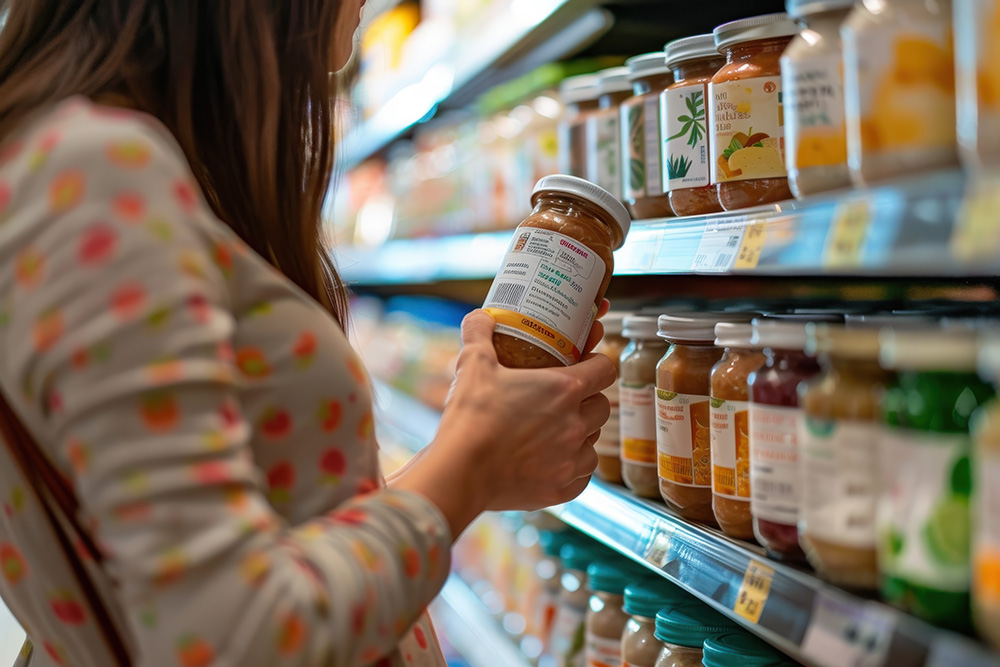
While exact rules depend on your product category, most consumer goods sold in Thai supermarkets, convenience stores, and online marketplaces require clear Thai text covering:
- Product Name & Category: Written clearly in Thai so shoppers immediately know what is inside, even if your brand name is in English.
- Thai FDA Registration Number (เลขสารบบอาหาร / อย.): Displayed inside the official FDA frame in a legible size.
- Ingredients & Allergen Warnings: Listed by weight from highest to lowest, with common allergens bolded or highlighted.
- Net Weight or Volume: Using standard metric units (g, kg, ml, L) placed visibly on the front panel.
- Manufacturer or Importer Address & Dates: Full company name, Thai address, batch number, and clear MFG / EXP or Best Before dates.
2. How to Balance Compliance With Shelf Appeal
Legal text does not have to ruin a clean design. The trick is building a grid system early. When we develop corporate branding and identity systems alongside packaging, we reserve dedicated back-and-side zones for bilingual Thai/English copy, barcodes, and certification icons—leaving the front panel clean, bold, and easy to spot from three steps away.
3. Always Check Your Dieline Before Final Approval
Never approve artwork solely from a flat PDF on your phone. Ask your designer for a 1:1 folded mock-up on your supplier’s exact dieline so you can verify that fold lines, glue flaps, and heat-seals never cut through mandatory FDA text. Need help preparing print-ready boxes, labels, or pouches? Explore our
packaging design services in Bangkok or
get in touch with our team for a written quotation starting from THB 15,000.